
Switchfoot
ALT-ROCK FAITH FOR PEOPLE WHO QUESTION EVERYTHING
Alternative Rock / Post-Grunge / Thoughtful Faith Rock
Switchfoot never sounded like they belonged in Christian music — which is exactly why they mattered so much inside it.
Formed in San Diego by brothers Jon and Tim Foreman, Switchfoot emerged during a time when faith-based rock was either too preachy for radio or too vague for believers. They refused both extremes.
Instead, they asked better questions. Their name itself — a surfing term about changing direction mid-wave — perfectly captures their ethos: movement, adaptation, searching.
ALTERNATIVE ROCK WITH A CONSCIENCE
Musically, Switchfoot sits firmly in the alternative rock tradition: grunge-adjacent guitars, anthemic but restrained choruses, introspective verses, and raw, emotionally literate vocals.
Their songs don’t tell you what to believe. They ask you what you’re living for.
FAITH THAT MAKES ROOM FOR DOUBT
Switchfoot’s greatest contribution is this: They made questioning feel faithful. Their lyrics wrestle with identity, purpose, injustice, doubt, consumerism, ego, suffering, and hope — often in the same verse.
Jon Foreman writes like a philosopher disguised as a frontman, pairing stadium-sized hooks with deeply personal, almost journal-level reflection. This is faith music for people who think too much — and are tired of being told that’s a flaw.
They represent the bridge — artists whose faith is unmistakable but never weaponized. Switchfoot write songs that work whether the listener is devout, doubting, or just awake. In your guide, they anchor the idea that Christian rock can be art first, message embedded, truth carried rather than announced.
So… Are They “Christian Rock”?
Switchfoot came from the Christian scene, serve Christian listeners, and write from a faith-informed worldview — but they’ve always refused to be confined by the label. They don’t evangelize with slogans; they explore belief through questions, longing, and humanity.
Casey Recommends (Most Popular Tracks):
Dare You to Move — The breakthrough. A call to agency disguised as a rock anthem.
Meant to Live — Existential urgency with teeth.
Stars — Awe, humility, and cosmic wonder.
This Is Your Life — Gentle confrontation, timeless relevance.
The Shadow Proves the Sunshine — Joy earned through contrast.
DEEP-CUT SPOTLIGHT (Hidden Gem for Lorenzo):
Vice Verses — This song is the Switchfoot manifesto. Duality, tension, belief vs. doubt, light vs. shadow — all acknowledged without apology. It’s INFJ catnip: thoughtful, layered, unresolved in the best way.
This is a song you *grow into*, not out of.
Lorenzo Note:
“They always sounded like they were thinking while they played.”
Dr. Kat Note:
“Switchfoot validates complexity. Their music reduces shame around doubt.”
FINAL CASEY NOTE — Why They Belong in the Playlists:
Switchfoot belongs because they changed the emotional permission structure of Christian Rock. They proved you could be intellectually honest and spiritually grounded. That faith could ask hard questions without falling apart. That rock music could carry belief without preaching — and doubt without despair.
In your Christian Rock / Pop Recommendations, Switchfoot provides depth, credibility, and longevity. They’re the band people rediscover at different life stages and realize, “Oh… this hits harder now.”
They didn’t chase trends. They chased truth. And that’s why they still matter.
Switch
YOUTH POP THAT SNUCK FAITH INTO THE NEW MILLENNIUM**
Pop / Teen Pop / Early-2000s Christian Crossover
Switch occupies a fascinating — and often overlooked — spot in Christian Pop history. They weren’t built to be profound. They were built to be accessible.
Emerging in the late ’90s / early 2000s, Switch leaned into radio-friendly pop-rock at a time when Christian music was just starting to understand youth culture as culture, not just outreach.
Their mission wasn’t to challenge belief. It was to normalize it.
POP BEFORE IT WAS COOL (OR SAFE)
Musically, Switch delivered: glossy, melodic pop hooks, upbeat tempos and clean harmonies, boy-band adjacent energy with guitars, and faith lyrics that didn’t demand decoding.
They sounded like what Christian Pop wanted to become — before TobyMac fully redefined it, before the genre learned how to balance credibility and cool.
WHY SWITCH STILL MATTERS
Switch isn’t remembered because they reinvented the genre. They matter because they kept the door open. They were many listeners’ first Christian band that didn’t feel awkward, preachy, or out of touch. For younger audiences especially, Switch was a gateway — proof that faith-based music didn’t have to sound like a compromise.
In that way, they quietly helped set the stage for what came next.
Switch represent next-gen optimism done right. Their music emphasizes community, participation, and forward motion — faith as something you step into together. In your guide, they help widen the age and energy range without diluting depth.
Casey Recommends (Most Popular Tracks):
Only Hope — Earnest, melodic, and unmistakably of its era.
Chem 6A — Youthful energy with just enough edge.
Under the Sea — Playful, catchy, unmistakably pop-forward.
Living for the Moment — Early optimism, clean joy.
DEEP-CUT SPOTLIGHT (Hidden Gem for Lorenzo):
I Will Be There — This track captures Switch at their best: supportive, encouraging, uncomplicated faith. It’s not trying to be deep — it’s trying to be present. And sometimes, that’s exactly what early faith looks like.
Lorenzo Note:
“They sounded like faith without anxiety.”
Dr. Kat Note:
“Switch represents emotional safety — an important entry point for young listeners.”
FINAL CASEY NOTE — Why They Belong in the Playlists:
Switch belongs not because they aged perfectly — but because they served their moment perfectly.
They helped Christian Pop transition from subculture to conversation. They gave younger listeners permission to enjoy faith music without embarrassment, without pressure, and without having to ‘graduate’ into seriousness too fast.
In your Christian Rock / Pop Recommendations, Switch provides historical context — a reminder that not every artist needs to be revolutionary to be important. They were a bridge. And bridges matter.
The Afters
ANTHEMIC POP-ROCK FOR THE LONG VIEW
Pop Rock / Adult Contemporary / Hope-Driven Faith Rock
The Afters didn’t break through by being edgy. They broke through by being steady.
Formed in Texas and rooted in relational songwriting rather than spectacle, The Afters became one of Christian Pop/Rock’s most reliable carriers of hope — the kind that lasts longer than a chorus and works better in real life than in hype cycles. They specialize in music that sounds like someone who stayed.
ANTHEMS WITHOUT ARROGANCE
Musically, The Afters live in a well-earned lane: guitar-driven pop rock, melodic hooks, emotionally open vocals, with lyrics that lean forward without dismissing the past
They’re not trying to reinvent worship or dominate charts. Their songs feel designed for repeat listening, long drives, late nights, and rebuilding seasons. This is faith music with patience.
HOPE THAT SURVIVES SETBACKS
What sets The Afters apart is their emotional consistency. Even their upbeat songs feel grounded, while their slower tracks never collapse into despair.
Their catalog is filled with reminders that: waiting doesn’t mean failing, struggle doesn’t cancel belief, joy doesn’t require denial.
The Afters specialize in steady hope — songs that don’t spike and fade, but stay. Their music affirms endurance, gratitude, and faithfulness over flash. In your guide, they represent belief that shows up every day and still sings.---
Casey Recommends (Most Popular Tracks):
Lift Me Up— Their signature. A communal anthem of dependence and trust.
Light Up the Sky — Celebration with purpose.
Moments Like This — Gratitude without cheesiness.
Well Done — Perspective on legacy, faithfulness, and meaning.
Battles — Resilience framed with humility.
DEEP-CUT SPOTLIGHT (Hidden Gem for Lorenzo):
Time of My Life — This track captures The Afters’ underrated strength: reflective optimism. It’s about recognizing growth *after* the storm, not during it. INFJ-approved for its balance of memory, meaning, and quiet gratitude. It sounds like someone looking back — without regret.
Lorenzo Note:
“They write like people who know life isn’t flashy — but it’s still good.”
Dr. Kat Note:
“The Afters normalize endurance. Their music reinforces emotional stability.”
FINAL CASEY NOTE — Why They Belong in the Playlists:
The Afters earn their place because they represent faithfulness over flash. They remind listeners that belief doesn’t need to peak constantly to be real — it needs to persist. Their songs support the middle chapters of life, not just the beginnings or breakthroughs.
In your Christian Rock / Pop Recommendations, The Afters provide continuity — music that bridges seasons, ages, and emotional states without losing relevance. They don’t shout hope. They walk with it.
Micah Tyler
THE EVERYMAN — FAITH MUSIC
FOR PEOPLE WHO NEVER THOUGHT THEY’D BE HERE
Christian Pop / Worship-Pop / Testimony-Driven Faith
Micah Tyler didn’t grow up dreaming of stages, tours, or chart positions. He grew up wondering if he was good enough — spiritually, emotionally, or otherwise. And that’s exactly why his music works.
Before Christian radio, Micah was a youth pastor and worship leader in small-town Texas, living a life that felt faithful but invisible. His songs didn’t come from ambition — they came from surprise. Surprise that grace kept showing up. Surprise that God kept calling his name anyway.
That humility never left the music.
WORSHIP THAT SOUNDS LIKE REAL LIFE
Micah Tyler’s sound is intentionally accessible: mid-tempo pop worship, conversational vocals, simple but sturdy hooks, lyrics rooted in testimony, not theology lectures.
His songs don’t reach for metaphor — they reach for connection. He sings like someone talking across the table, not from a pulpit. This is worship for people who don’t feel polished.
Micah Tyler writes for people who have tried, failed, prayed hard, waited long, and are still standing. His songs give language to perseverance without pretending perseverance is easy. In your guide, he represents faith that stays even when circumstances don’t cooperate.
GRACE FOR THE “NOT-ENOUGH” CROWD
What sets Micah Tyler apart is how consistently he centers grace for those who feel overlooked, underqualified, or behind in life.
His music speaks to: late-bloomers, people with messy stories, quiet believers, and those still learning how to accept mercy. There’s no performance pressure here. Just reassurance.
Casey Recommends (Most Popular Tracks):
Different — The breakthrough anthem. Grace as identity, not achievement.
Never Been a Moment — God’s presence framed with gentleness and confidence.
Amen — Joyful gratitude without ego.
Walking Free — Freedom described, not demanded.
Praise the Lord — Celebration that feels earned, not forced.
DEEP-CUT SPOTLIGHT (Hidden Gem for Lorenzo):
Even Then — This song is Micah Tyler at his most honest. It acknowledges disappointment, delay, and unanswered prayers — then chooses trust anyway. It’s not dramatic. It’s faithful.
INFJ resonance comes from its emotional realism: belief without bravado.
Lorenzo Note:
He sounds like someone who never forgot where he came from.
Dr. Kat Note:
“Micah Tyler reduces shame. His music reassures listeners they belong before they believe perfectly.”
FINAL CASEY NOTE — Why He Belongs in the Playlists:
Micah Tyler matters because he represents a huge, often invisible group of listeners: people who love God but don’t feel extraordinary.
He proves that Christian Pop doesn’t need spectacle to be meaningful — it needs empathy. His songs function like open doors, not finish lines.
In your Christian Rock / Pop Recommendations, Micah Tyler adds relational warmth — music that meets people where they are and walks with them forward.
He doesn’t say, “Look what faith can do.”
He says, “You’re not alone in this.”
Richlin
THE MODERN SEEKER — STRIPPED-BACK POP FOR FAITH IN REAL TIME
Indie Pop / Minimalist Christian Pop / Reflective Faith
Richlin doesn’t sound like Christian radio from ten years ago — and that’s exactly the point. His music lives in the quieter corners of modern pop: sparse production, intimate vocals, and lyrics that feel written after midnight, not for a stage. He doesn’t announce belief; he documents it.
MINIMAL SOUND, MAXIMUM HONESTY
Musically, Richlin leans into restraint: atmospheric pop beats, minimal instrumentation, conversational vocal delivery, lyrics that feel handwritten, not sloganized.
There’s a strong bedroom-pop sensibility here — music that feels personal before it feels public.
Richlin represents joy after deconstruction — faith that has thought deeply and come out smiling anyway. His songs challenge fear-based belief systems without mocking them, offering something better instead. In your guide, he adds lightness without losing credibility.
BELIEF WITHOUT PERFORMANCE
What makes Richlin compelling is his refusal to overstate anything. His songs often sit inside uncertainty, self-reflection, and emotional vulnerability — not as problems to fix, but as realities to acknowledge.
There’s no pressure to resolve. No rush to testify. Just presence. That makes his work especially resonant for listeners who feel spiritually aware but emotionally cautious — the ones who want honesty more than hype.
Casey Recommends (Most Popular Tracks):
Power — Minimalist, reflective, quietly affirming.
Closer — Longing framed as connection, not desperation.
Same God — Faith expressed with humility and modern tone.
Grateful — Subtle gratitude without performative joy.
These tracks reward headphones and stillness.
DEEP-CUT SPOTLIGHT (Hidden Gem for Lorenzo):
Running — This song captures Richlin’s emotional center: movement without certainty. It’s about searching rather than arriving — and that’s exactly why it works. INFJ-friendly in the best way: inward, thoughtful, unresolved but hopeful.
Lorenzo Note:
“He sounds like someone who’s still listening for the answer.”
Dr. Kat Note:
“Richlin’s music creates psychological safety. It allows faith to exist without urgency.”
FINAL CASEY NOTE — Why He Belongs in the Playlists:
Richlin belongs because he represents where Christian Pop is quietly heading — toward intimacy, authenticity, and emotional intelligence.
Not every believer connects through anthems. Some connect through whispers. Richlin writes for that audience — the reflective, the hesitant, the thoughtful, the ones who process belief internally before expressing it outwardly.
In your Christian Rock / Pop Recommendations, Richlin adds * — proof that faith music doesn’t need volume to have meaning.
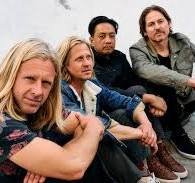
Switchfoot — Faith That Refuses the Box
Meant to Live (2003) — A restless anthem built around holy dissatisfaction. The song doesn’t preach belief — it articulates longing. That ache-for-more feeling becomes the proof of life itself. This track helped redefine what Christian rock could sound like: honest, urgent, and uncontained.
Dare You to Move (2004) — One of the most quietly courageous songs ever to cross into the mainstream. Rather than offering answers, Switchfoot issues an invitation — step forward, risk change, choose life. Its brilliance is faith expressed as motion, not doctrine.
Native Tongue (2019) — A mature-era mission statement that centers love as the most fluent language we have. In a polarized world, the song insists connection still matters — and still costs something. e, resilient without being angry.

Switch — Faith That Sounds Like Momentum
Symphony (2019) — A communal worship-pop anthem built around belonging and purpose. The metaphor lands cleanly: no one plays the whole song alone. The joy here comes from participation, not performance — faith experienced as harmony rather than hierarchy.
Count Me In (2018) — A commitment song framed as availability rather than bravado. Instead of promising perfection, the lyrics offer presence: I’m here, I’m willing, I’m in. Energetic and sincere, it feels like a starting line rather than a finish.
Overflow (2020) — A bright, gratitude-driven track about abundance that doesn’t drift into excess. The song emphasizes fullness as response, not reward — life spilling over because grace arrived first. Upbeat, clean, and emotionally open.
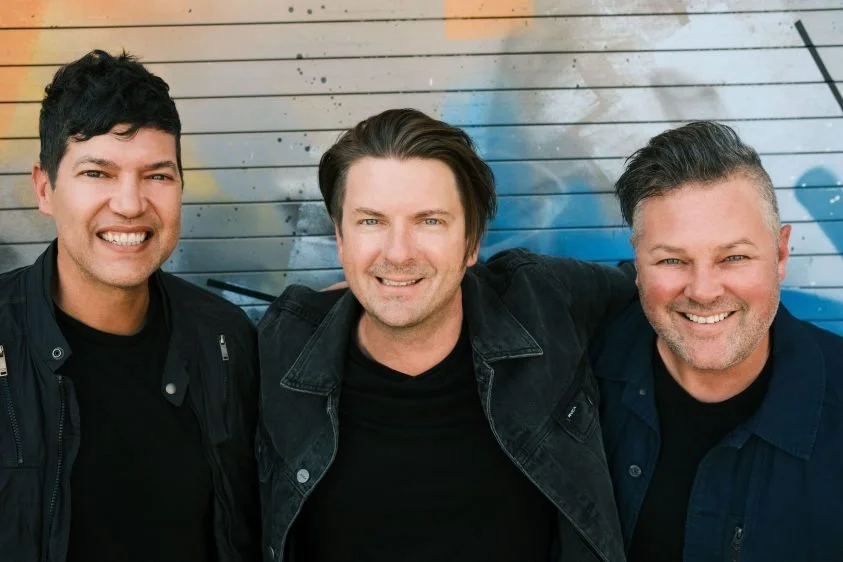
The Afters — Hope That Holds Its Shape
Light Up the Sky (2013) — A celebratory anthem about breakthrough and shared joy. The song captures those rare moments when hope isn’t theoretical — it’s visible. Built for collective lift, it turns gratitude into motion and light into sound.
Well Done (2018) — A tender, soul-level song that reframes success through eternal perspective. Rather than striving for applause now, it imagines faithfulness as its own reward. Gentle, reflective, and quietly profound — this one lands deepest when life slows down.
Every Good Thing (2015) — A gratitude song that refuses entitlement. The Afters trace joy back to its source, acknowledging grace as gift rather than assumption. Bright without being glossy, thankful without being naïve.
You Never Gave Up on Me (2019) — A deeply personal declaration of God’s persistence. The power here is in the assurance: even when belief falters, love doesn’t. Steady, reassuring, and emotionally anchoring — faith remembered after the fog lifts.

Micah Tyler — Faith That Refuses to Quit on You
Even Then (2017) — A courageous declaration of trust that doesn’t depend on outcomes. Micah names disappointment, unanswered prayers, and dashed expectations — then chooses belief anyway. The power of this song is its defiance: faith held after hope has been tested. One of the clearest expressions of mature trust in modern Christian music.
Love Lifted Me Up (2020) — A joyful testimony built on rescue rather than achievement. Micah frames love as intervention — stepping in when the listener couldn’t climb out alone. The song lifts without denying the fall, making the celebration feel earned. Splendid choir background.
Walking Free (2015) — A cornerstone freedom anthem that reframes identity after grace. This isn’t about self-improvement; it’s about release — shame losing its grip, fear losing its voice. The groove carries confidence, but the heart of the song is relief. Freedom experienced, not argued.

Richlin — Joy That Knows What It’s Talking About
God Is In a Good Mood (2023) — A bold, disarming reframing of how many people expect God to feel about them. Richlin pushes back against fear-based theology with warmth, humor, and confidence — not flippancy.
Royal Blood (2022) — An identity anthem rooted in belonging rather than bravado. The song reminds listeners that worth is inherited, not earned — royalty by adoption, not performance. The production hits hard, but the message stays grounded.
Love Is Like Thunder (2023) (with Ryan Stevenson) — A powerful collaboration that frames love as disruptive, awakening, and impossible to ignore. This isn’t gentle background faith — it shakes the room. The pairing works beautifully: Richlin’s brightness balanced by Ryan Stevenson’s gravel-and-grace delivery.