
We The Kingdom
THE FAMILY BAND THAT MADE
JOY, DOUBT, AND WORSHIP LIVE IN THE SAME SONG
Pop Rock / Worship-Pop / Heartland Faith Rock
We The Kingdom didn’t come from a marketing plan.
They came from a living room.
Born out of a multi-generational family of musicians, writers, and worship leaders, We The Kingdom feels less like a band and more like a shared pulse. Parents, kids, siblings — different voices, different temperaments — all colliding into a sound that’s joyful, messy, grateful, and unashamedly human.
Where some Christian acts polish away the wrinkles, We The Kingdom leaves them in — because that’s where the testimony lives.
A SOUND BUILT ON TOGETHERNESS
Musically, We The Kingdom sits at the intersection of: arena-ready pop hooks; organic, stomp-clap heartland rock; modern worship warmth; raw, communal vocals that feel sung around a fire, not isolated in a booth.
Their secret weapon is plurality. Songs don’t feel like a single narrator talking at you — they feel like a group saying, “Hey… we’ve been here too.”
Male voices. Female voices. Harmonies that feel accidental in the best way. The result: music that doesn’t perform belief — it shares it.
JOY WITHOUT NAIVETÉ
What separates We The Kingdom from standard worship-pop is their emotional range. Yes, they are joyful — sometimes explosively so — but it’s joy that’s earned, not assumed.
Their songs acknowledge fear, doubt, addiction, shame, and fatigue… then refuse to let those things have the final word.
We The Kingdom write songs that stand up straight. Their music celebrates grace without gloss, freedom without fluff, and confidence without cruelty. In your guide, they represent faith that has found its footing and isn’t giving it back.
Casey Recommends (Most Popular Tracks):
Holy Water — A modern Christian anthem that somehow feels ancient and immediate at the same time. Testimony as sing-along.
God So Loved — Gospel truth delivered with pop clarity and emotional lift.
Child of Love — Identity music. Declarative, hopeful, and impossible not to smile through.
Jesus Does — A reminder that grace still shows up when people don’t.
Won’t He Do It — Faith-forward joy that feels communal, not performative.
DEEP-CUT SPOTLIGHT (Hidden Gem for Lorenzo):
Slow Down — A song for overthinkers, strivers, and INFJs who carry the weight quietly. It’s gentle without being sleepy, reassuring without being preachy. This track feels like someone putting a hand on your shoulder and saying, “You don’t have to sprint to be faithful.”
It’s the song you don’t realize you needed until your chest loosens a notch.
Lorenzo Note:
“They sound like people who’ve cried together — and laughed about it later.”
Dr. Kat Note:
“We The Kingdom makes belonging audible. Their music says: you don’t heal alone.”
FINAL CASEY NOTE — Why They Belong on your Playlist:
We The Kingdom earns their place not by innovation alone, but by integration. In a genre that often swings between spectacle and solemnity, We The Kingdom occupies the middle ground — where real people actually live.
They are the sound of faith practiced in community.
The sound of grace passed hand-to-hand.
The sound of music reminding you that belief isn’t a solo act.
Ryan Ellis
THE SOULFUL SEEKER WHO BROUGHT
R&B INTIMACY INTO MODERN WORSHIP
R&B-Pop / Soul Worship / Bedroom Faith
Ryan Ellis didn’t arrive with fireworks.
He arrived with honesty.
Raised in Southern California, steeped in both church culture and soul music, Ryan Ellis carries himself like someone who never set out to lead worship — he just started telling the truth quietly, and people leaned in to listen.
His music lives in the space between prayer and diary entry. Between polished production and raw emotion. Between “I believe” and “I’m still figuring this out.”
And that tension? That’s the point.
R&B HEART, WORSHIP SPIRIT
Ryan Ellis is part of a newer wave of Christian artists who don’t separate Sunday faith from weekday feelings.
Musically, he blends: smooth R&B phrasing, restrained pop production, piano-forward vulnerability, and worship lyrics that feel conversational, not declarative.
Where traditional worship projects aim upward and outward, Ellis’s songs move inward first — and somehow end up lifting you anyway. This is worship for people who don’t raise their hands immediately… but feel everything.
FAITH THAT DOESN’T PRETEND TO BE FINISHED
What makes Ryan Ellis quietly powerful is that he never rushes resolution. His songs often sit inside doubt, longing, exhaustion, or confusion — not to glorify them, but to acknowledge they exist inside faith, not outside it.
He gives permission to believe without pretending you’re okay. That alone makes him essential.
Ryan Ellis writes worship songs for people who want closeness, not volume. His music values stillness, humility, and presence — qualities that are increasingly rare and deeply needed. In your guide, he represents faith that listens before it speaks.
Casey Recommends (Most Popular Tracks):
Heart of the Father — Tender, soulful, and deeply personal. Feels less like a song and more like a moment of being seen.
Still Alive — Hope whispered, not shouted.
Better Days — Honest optimism that doesn’t deny struggle.
Satisfied — Desire, surrender, and trust wrapped in smooth production.
Gonna Be Alright — Comfort music without cliché.
DEEP-CUT SPOTLIGHT (Hidden Gem for Lorenzo):
Prayers Ain’t Enough — This is the Ryan Ellis thesis statement. A song about faith that keeps showing up even when words fail. It’s stripped, intimate, and emotionally brave — the kind of track that INFJs replay late at night because it names something they’ve never said out loud.
It doesn’t solve the problem. It sits with you in it.
Lorenzo Note:
“He sings like someone who listens to himself carefully before speaking.”
Dr. Kat Note:
“Ryan Ellis normalizes spiritual honesty. His music lowers anxiety instead of heightening expectation.”
FINAL CASEY NOTE — Why He Belongs on your Playlist:
Ryan Ellis matters because he expands what Christian Pop *can sound like* emotionally. He proves that worship doesn’t need volume to have weight, or certainty to have depth.
In a genre that often celebrates answers, Ellis dignifies the question.
His music is for listeners who pray while driving, doubt quietly, feel deeply, and keep going anyway. In your Christian Rock / Pop Recommendations, Ryan Ellis provides stillness, emotional intelligence, and soul-level sincerity — a counterbalance to anthems and adrenaline.
He doesn’t pull you to the front of the room. He sits beside you.
Which, sometimes, is exactly what faith needs.
Anne Wilson
THE GRIEF-BORN VOICE THAT BROUGHT
COUNTRY TRUTH INTO MODERN CHRISTIAN MUSIC
Country-Pop / Southern Gospel / Faith & Testimony
Anne Wilson didn’t come to Christian music chasing a sound. She came carrying a story.
Raised in rural Kentucky, steeped in church, family, and country music tradition, Anne’s life changed overnight when her brother Jacob was killed in a tragic accident. Grief didn’t just shape her faith — it forced it into the open.
And instead of running from that pain, she sang straight through it.
What emerged wasn’t polished worship pop or radio-friendly fluff — it was country testimony, raw and unfiltered, anchored in loss and hope at the same time.
COUNTRY ROOTS, GOSPEL CORE
Anne Wilson stands at a rare crossroads: modern country storytelling, Southern gospel conviction, Christian radio accessibility, personal tragedy turned public testimony.
Her voice isn’t flashy — it’s grounded. There’s dirt under the fingernails. You hear Kentucky hills in her vowels. When she sings about Jesus, it doesn’t sound symbolic — it sounds personal.
This is faith that was tested in real life, not rehearsed in theory.
GRIEF WITHOUT SENTIMENTALITY
What makes Anne Wilson powerful isn’t just that she sings about loss — it’s how she refuses to romanticize it.
Her songs acknowledge anger, confusion, heartbreak, and the ache of unanswered questions. But instead of collapsing under grief, they lean into belief with a kind of stubborn hope.
Anne Wilson represents faith forged through loss. Her songs don’t rush healing or soften reality — they witness it. In your guide, she stands for testimony that still remembers the wound, and belief that grew there anyway.
Casey Recommends (Most Popular Tracks):
My Jesus — A cultural moment. A country-flavored confession that crossed genres and found listeners far beyond Christian radio.
Sunday Sermons — Nostalgic, reflective, and quietly convicting.
Strong — Grief turned resilience.
Mamas — Tender, grounded, and relational — faith lived at home.
Rain in the Rearview — Perspective earned the hard way.
DEEP-CUT SPOTLIGHT (Hidden Gem for Lorenzo):
Seventh of June — This is the song that explains everything. Named for the day her brother died, it’s one of the most emotionally honest tracks in modern Christian music — not because it tries to explain suffering, but because it doesn’t. It’s not a worship song. It’s not a country hit. It’s a memorial. INFJ warning: this one hits quietly… and then stays.
Lorenzo Note:
“She sings like someone who didn’t plan to testify — but had to.”
Dr. Kat Note:
“Anne Wilson’s music validates grief without letting it define identity. That balance is rare.”
FINAL CASEY NOTE — Why She Belongs on the Playlist:
Anne Wilson matters because she expands the emotional and stylistic boundaries of Christian Pop/Rock by bringing country realism back into faith music.
She represents a reminder that belief doesn’t live only in churches or concerts — it lives in kitchens, on back roads, in hospital rooms, and in the quiet after tragedy.
Where other artists inspire movement, Anne inspires grounding. Where others lift hands, she opens hearts.
In your Christian Rock / Pop Recommendations, Anne Wilson provides *gravity* — a reminder that faith doesn’t erase pain, but it can carry it. She doesn’t sing to entertain. She sings because silence wasn’t an option.
Danny Gokey
THE REDEMPTION VOICE —
GRIEF, GRIT, AND JOY SINGING IN THE SAME BREATH
Christian Pop / Adult Contemporary / Gospel-Pop
Danny Gokey didn’t come to faith music polished and untouched. He came after the fire.
Before most people knew his name, Gokey had already lived through the kind of loss that splits a life in two — the sudden death f his young wife, Sophia. Grief didn’t make him quieter. It made him honest.
And when the public first met him on American Idol, they weren’t just hearing a big voice — they were hearing survival. Christian Pop didn’t adopt Danny Gokey. It received him.
A VOICE BUILT FOR REDEMPTION SONGS
Danny Gokey’s instrument is unmistakable: raspy warmth, gospel-inflected power, blue-eyed soul phrasing, and pop-friendly hooks anchored in lived experience.
He sings like a man who has cried privately and learned how to praise publicly — without pretending the pain never happened. Where some voices sound trained, Danny’s sounds tempered.
JOY THAT KNOWS WHAT IT COST
What sets Gokey apart is that his joy doesn’t feel naive — it feels chosen. His music often radiates optimism, but it’s optimism that’s already walked through loss, addiction, grief, and rebuilding. This is joy that remembers sorrow by name.
Danny Gokey brings clarity to the table — faith expressed with confidence, warmth, and moral steadiness. His songs emphasize action over abstraction and love over argument. In your guide, he represents belief that’s outward-facing and practical.
He’s one of the few Christian Pop artists who can release celebratory anthems and still feel emotionally credible to people who’ve been broken.
Casey Recommends (Most Popular Tracks):
Tell Your Heart to Beat Again — A modern Christian classic. Gentle, restorative, and quietly powerful.
Rise — Resilience in motion.
Haven’t Seen It Yet — Hope delayed, not denied.
Love God, Love People — Simple message, communal energy, big-hearted execution.
Stand in Faith — Declaration without arrogance.
DEEP-CUT SPOTLIGHT (Hidden Gem for Lorenzo):
If You Ain’t In It — This track captures Danny’s core ethos: ambition surrendered to meaning. It’s upbeat, but spiritually grounded — a reminder that success without alignment isn’t success at all. It sneaks up on you with wisdom disguised as fun.
Lorenzo Note:
“He sounds like someone who knows grief won’t kill you — but pretending it didn’t happen might.”
Dr. Kat Note:
“Danny Gokey models post-traumatic growth. His music reflects integration, not avoidance.”
FINAL CASEY NOTE — Why He Belongs in your Playlist:
Danny Gokey earns his place because he embodies one of the most important truths in faith music: joy is most believable when it remembers sorrow.
He bridges gospel tradition and modern Christian Pop without diluting either. His songs are accessible without being shallow, hopeful without being dismissive, and celebratory without being disconnected from reality.
In your Christian Rock / Pop Recommendations, Danny Gokey represents resilience — the sound of a heart learning to beat again, louder, stronger, and with purpose.
He doesn’t erase the past. He builds forward from it.
Jamie Grace
POP FAITH WITH HEART, HUMOR, AND UNAPOLOGETIC HOPE
Pop / Contemporary Christian / Feel-Good Faith Pop
Jamie Grace didn’t enter Christian music trying to sound profound. She entered it trying to sound herself.
Discovered through homemade YouTube videos recorded with her sister Leigha in their living room, Jamie arrived with something that couldn’t be manufactured: authenticity, joy, and emotional transparency — all delivered with pop instincts sharp enough to land on radio immediately.
TobyMac saw it right away. Not polish. Not hype. Light.
And that light never dimmed.
POP THAT LEANS TOWARD JOY — NOT AWAY FROM TRUTH
Jamie Grace’s music thrives in the space where encouragement meets reality.
Musically, she blends: modern pop production, gospel-rooted optimism, conversational vocals, and hooks that feel like smiles you can hear. Her songs aren’t about denying struggle — they’re about refusing to let struggle dominate the narrative.
STRENGTH THROUGH OPENNESS
What makes Jamie Grace quietly powerful is how openly she’s shared her real life: anxiety, mental health challenges, Tourette syndrome, self-doubt, faith questions — all without letting those things define her ceiling.
Her joy isn’t performative. It’s intentional. She doesn’t pretend the world is fine — she reminds listeners that they can be.
Jamie Grace represents safe joy — faith that welcomes the anxious, the unsure, and the still-figuring-it-out listener. Her songs don’t demand strength; they offer companionship. In your guide, she brings light that doesn’t blind and encouragement that doesn’t rush.
Casey Recommends (Most Popular Tracks):
Hold Me — Gentle reassurance wrapped in pop simplicity.
Beautiful Day — Pure joy. Sunshine in song form.
Smile — Her signature anthem. Childlike without being childish.
You Lead — Trust and surrender delivered with warmth.
Do Life Big — Encouragement without pressure.
DEEP-CUT SPOTLIGHT (Hidden Gem for Lorenzo):
Fighter — This track shows Jamie Grace’s emotional backbone. It’s not flashy — it’s steady. A reminder that resilience doesn’t always roar; sometimes it just keeps standing. It hits especially hard for listeners who need courage without intensity. INFJ-friendly because it soothes rather than overwhelms.
Lorenzo Note:
“She sounds like someone who decided joy was worth protecting.”
Dr. Kat Note:
“Jamie Grace models emotional resilience without cynicism. Her music lowers defenses.”
FINAL CASEY NOTE — Why She Belongs in the Playlists:
Jamie Grace belongs because she carved out a lane in Christian Pop that many underestimate — hope without hype.
She proves that encouragement can be intelligent, that faith music doesn’t need gravity to have weight, and that joy can coexist with honesty. In a genre that often swings between solemn worship and high-octane anthems, Jamie Grace offers emotional kindness.
In your Christian Rock / Pop Recommendations, she provides balance — light without fluff, optimism without denial, faith without pressure.
She doesn’t shout belief. She invites it.
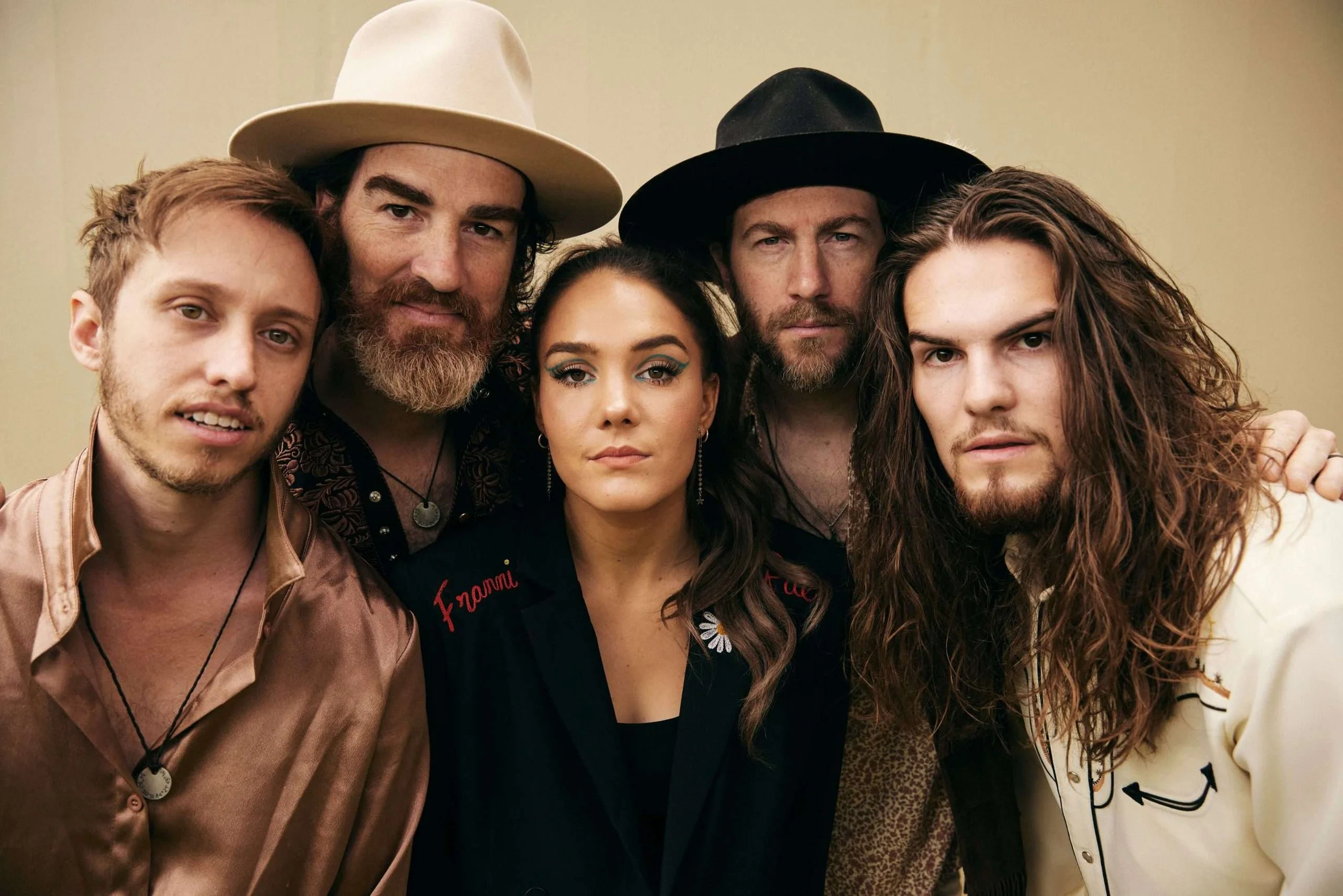
We The Kingdom —
Freedom With Feet on the Ground
Holy Water (2019) — A redemption anthem that treats grace as something tangible, not theoretical. The song celebrates forgiveness with grit — washed clean, but fully aware of the dirt that was there before. Joyful, rootsy, and deeply human, it feels like testimony you can clap along to.
Cages (2020) — A liberation song built around the quiet realization that many of our prisons are internal. We The Kingdom frame freedom as permission — to step out, to risk, to believe again. The communal energy makes this one feel like a shared breakthrough rather than a solo victory.
Don’t Tread on Me (2022) — A bold declaration of spiritual resilience that draws a clear line between identity and intimidation. This isn’t political posturing — it’s a refusal to live bowed by fear, shame, or accusation. Confident without being combative, strength expressed as steadiness.
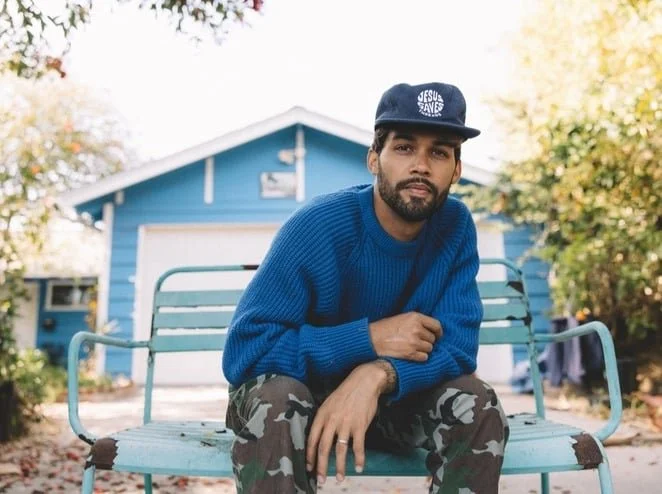
Ryan Ellis — Reverent Faith, Personally Held
Son of David (2020) — A worship song rooted in Scripture but delivered with contemporary intimacy. Ryan invokes the ancient name of Jesus not as formality, but as plea — mercy requested from a place of trust. The restraint in the arrangement lets the weight of the words breathe. Reverence without distance.
Lean on the Lord (2021) — A gentle exhortation that feels more like companionship than instruction. Rather than commanding trust, the song models it — weary, honest, and open-handed. This is faith as posture, not performance.
Heart of the Father (2020) — A tender exploration of God’s nature as safe, attentive, and relational. Ryan frames belief through belonging, emphasizing love over authority. The song unfolds patiently, inviting listeners to rest inside the idea rather than rush past it.

Anne Wilson — Testimony That Didn’t Skip the Pain
My Jesus (2021) — A breakthrough testimony song born directly from loss. Anne doesn’t present Jesus as an abstract solution, but as the One who shows up inside grief. The power of the song lies in its specificity — faith discovered the hard way, spoken plainly, and offered without polish. Earned hope, not borrowed language.
Hey Girl (2021) — A compassionate letter to women carrying silent weight. Anne speaks gently but firmly, reminding the listener they’re seen, valued, and not behind. The song functions like a quiet conversation rather than a declaration — encouragement that doesn’t condescend.
Sunday Sermons (2023) — A mature reframing of faith lived beyond church walls. Anne suggests that transformation doesn’t only happen in pews — it unfolds in kitchens, car rides, and hard conversations. The song honors worship as a lifestyle, not a schedule. Grounded, thoughtful, and quietly convicting.

Danny Gokey — Big Voice, Clear Compass
If You Ain’t In It (2019) — A values check disguised as a pop anthem. Danny challenges half-hearted faith and surface-level commitment, not with guilt but with invitation. The song asks a simple, confronting question: what are you actually giving your heart to? Energetic, focused, and purpose-driven.
The Comeback (2021) — A resilience anthem for anyone who’s been knocked flat but isn’t finished. Danny frames setbacks as setup — not through denial, but determination. The song carries momentum without pretending the fall didn’t hurt. Hope with grit.
Love God, Love People (2019) — A modern mission statement that strips faith down to its most essential expression. No loopholes, no qualifiers — just lived love. The brilliance here is its simplicity: theology that survives real life. This track feels less like instruction and more like alignment.

Jamie Grace — Joy That Comes From Somewhere Real
Beautiful Day (2014) — A gratitude anthem that doesn’t pretend every day starts beautiful — it chooses to notice when grace breaks through anyway. Jamie’s delivery keeps the song buoyant without being bubbly-for-bubble’s-sake. Joy here is practiced, not naive.
Show Jesus (2019) — A quietly convicting mission statement wrapped in warmth. Rather than arguing belief, Jamie emphasizes embodiment — live it where people can see it. The tone stays gentle, reminding listeners that reflection is often more powerful than persuasion.
Hold Me (2011) (with TobyMac) — A tender, vulnerable collaboration about needing reassurance when faith feels fragile. Jamie’s openness pairs beautifully with TobyMac’s steady presence, creating a song that normalizes weakness instead of hiding it. Still one of the most emotionally accessible tracks in the genre.