
HOLLYN
THE PRODIGY WITH POP SOUL, HIP-HOP SWAGGER, AND GOSPEL FIRE
Genre Tags: Pop / R&B-Soul / Hip-Hop-Gospel Fusion
Hollyn didn’t enter Christian music — she erupted into it. A young Ohio girl raised on a diet of soul, pop hooks, gospel singers, and hip-hop rhythms, she had a voice that didn’t match her age. Producers heard her once and said: “This kid can sell emotion at studio quality — now.”
She went from YouTube covers… to national attention on American Idol …
to signing as a teenager with TobyMac’s camp, who immediately recognized her rare hybrid talent::
the melisma of R&B
the bite of hip-hop
the clarity of pop
the spiritual sincerity of gospel
She is, in short, the female TobyMac you didn’t see coming — except softer where he’s loud, more atmospheric where he’s explosive, and more introspective where he’s declarative.
A VOICE TOO EMOTIONAL TO IGNORE
Hollyn doesn’t sing lyrics — she breathes vulnerability into them. Her biggest gift is that she can make a pop chorus feel like a confession, a hip-hop beat feel like therapy, and a gospel ad-lib feel like a whispered prayer.
Her songs carry the electricity of youth without the superficiality of it. Everything she records feels like it comes from someone twice her age.
Casey Recommends (Most Popular Tracks):
Alone — A cry of burnout, emotional fear, and spiritual isolation.
Can’t Live Without — Vertical pop-worship disguised in an R&B groove.
Backseat Driver (with TobyMac) — Where her swagger first went mainstream.
Go (with TobyMac) — Youthful, energetic, a faith-on-the-move anthem.
Party in the Hills — Joy without shame. Fun without losing the plot.
DEEP-CUT SPOTLIGHT (Hidden Gem for Lorenzo):
“Love With Your Life” — the track that shows her soul the most. Hollyn has said she wrote this in a season of emotional transition — messy relationships, changing identity, learning how to forgive herself. It’s pop… but it hits like testimony. It’s an INFJ magnet: vulnerable message, tight production, and a tone that feels like someone handing you their heart carefully.
Lorenzo Note:
“She sounds like she grew up with a prayer in one hand and a journal in the other.”
Dr. Kat Note:
“Hollyn’s music is spiritual self-discovery with a beat. She makes healing sound stylish.”
FINAL CASEY NOTE — Why She Belongs in the Hall of Fame:
Hollyn is that rare artist who bridges generations and genres without losing emotional honesty. Where others make worship music for a crowd, Hollyn makes faith music for the person sitting alone in their room, trying to figure life out. Her songs meet people in the in-between moments — not triumphant, not defeated, just human and hopeful.
In a world full of noise, Hollyn is clarity. In a genre full of clichés, she is freshness. And in your spiritual journey, she was one of the early voices who made Christian Pop feel cool, modern, and deeply personal all at once.
Hollyn represents permission — to feel, to move, to celebrate, to trust. Her songs remind listeners that faith doesn’t always sit quietly; sometimes it dances, laughs, and rides shotgun. In your Christian Rock / Pop Recommendations, she adds lift, contrast, and youthful joy without breaking the emotional integrity of the list.
JORDAN FELIZ
THE SOUL-RICH SMILE IN MODERN CHRISTIAN POP
Genre Tags: Pop / Soul / Contemporary Worship
Jordan Feliz didn’t come into Christian music through the church-circuit door.
He came through the soul-singer door — Motown in his DNA, pop instincts in his writing hand, and a California ease in his voice.
Before he ever charted, he was singing in rock bands, metal bands, soul bands — anything that let him use that buttery, throwback voice. When he eventually landed in Nashville, producers immediately said: “This kid is the future of soulful Christian pop.”
And they were right. His breakout hit, The River, felt like sunshine baptized in a gospel groove. It didn’t sound like Nashville. It didn’t sound like worship radio. It sounded like joy that had been through something.
A Warm Voice That Feels Like Saturday Morning Sunlight
Jordan Feliz’s magic is that he delivers feel-good music with deeper roots than you notice at first listen. His songs carry R&B warmth, gospel-pop rhythms, singable hooks, and lyrics that feel like spiritual pep-talks for tired believers.
But the secret? His tone does the preaching before the lyrics ever begin. You don’t put Jordan Feliz on because you want theology. You put him on because you need hope with a pulse, faith with a smile, and joy that isn't fake.
INFJs especially resonate with his “gentle uplifting” style — no pressure, no guilt, just motion toward the light.
Casey Recommends (Most Popular Tracks):
The River — His signature anthem. Pure joy.
Witness — Groove-forward celebration of transformation.
Beloved — Gentle, fatherly, emotionally grounding.
Never Too Far Gone — A redemptive comeback song with punch.
DEEP-CUT SPOTLIGHT (Hidden Gem for Lorenzo):
“Satisfied” — a quietly powerful soul-pop testimony. It’s not loud. It’s not showy. It’s one of his most honest moments — a meditation on spiritual craving and the strange peace that follows surrender.
Lorenzo Note:
“He sounds like the kind of friend who might talk you off the ledge with a cup of coffee in hand.”
Dr. Kat Note:
“Jordan’s music is emotional steadiness in audio form. He offers peace without pressure.”
FINAL CASEY NOTE — Why He Belongs in the Hall of Fame:
Jordan Feliz captures the gentleness of grace with the accessibility of pop. He doesn’t overpower you — he lifts you. His songs are reminders that God doesn’t need volume to speak clearly. Sometimes all it takes is a groove, a warm voice, and a line you needed to hear at the exact right moment.
Jordan Feliz writes songs that move people out of shame and into light. His music emphasizes belonging, forward motion, and joy as spiritual realities — not emotional tricks. In your Christian Rock / Pop Recommendations, he represents faith that welcomes rather than evaluates.
JEREMY CAMP
ENDURANCE, GRIEF, AND FAITH THAT KEEPS WALKING
Genre Tags: Rock / Worship / Testimony
Jeremy Camp didn’t arrive in Christian music on a wave of hype. He arrived carrying grief.
Early in his career, just as his music was beginning to gain traction, he married his first wife, Melissa—who was battling cancer. Within months, she passed away. Jeremy was left devastated, confused, and standing in the center of a faith he had just sung about… now forced to live it.
Most artists would have disappeared after that kind of loss. Jeremy Camp kept writing. Not from certainty. From endurance.
His music became known not for flash, but for staying power — songs that sound like someone putting one foot in front of the other when quitting would have been easier.
Faith That Survived the Worst Day
Jeremy Camp’s catalog is built on a simple but rare quality: perseverance. He writes about: surrender, waiting, letting go, trusting when answers don’t come, and choosing faith again tomorrow
His rock edge gives the songs backbone, but the emotional core is quiet and resolute. He doesn’t dramatize pain. He honors it. That’s why his music resonates with listeners who’ve been through real loss — divorce, illness, betrayal, spiritual exhaustion. His songs don’t promise escape. They promise companionship.
How He Shows Up on Your Playlist
Jeremy Camp doesn’t dominate your list with quantity. He shows up with weight. The songs you liked aren’t the loudest ones—they’re the grounded ones. The kind you don’t skip because they feel honest.
He blends modern rock worship, reflective songwriting, restrained emotion, lived-in faith, patience over adrenaline. His voice carries conviction without force. He sounds like someone who knows what it costs to believe.
Casey Recommends (Most Recognized Tracks):
Give Me Jesus — A stripped-down surrender anthem
Keep Me in the Moment — One of the best “stay present” faith songs written
Dead Man Walking — Energetic, redemptive rock
Out of My Hands — Trust in the middle of uncertainty
DEEP-CUT SPOTLIGHT (Hidden Gem for Lorenzo):
“There Will Be a Day” — Not flashy. Not trendy. Just deeply steady. It’s a song about hope that doesn’t rush you — hope that waits patiently until you’re ready to stand again. The kind of track that quietly earns its place over time.
Lorenzo Note:
“His songs feel like long walks after bad news — no answers, but enough air to keep going.”
Dr. Kat Note:
“Jeremy Camp’s music models resilience without denial. He allows grief to coexist with faith.”
FINAL CASEY NOTE — Why This One Resonated:
Jeremy Camp resonated because his faith was tested publicly—and held privately. His songs didn’t arrive as theories; they arrived as survival tools. In seasons when belief felt quieter, heavier, and more deliberate, his music mirrored your own posture: not dramatic, not triumphant — just faithful enough to take the next step. That kind of resonance doesn’t fade. It settles in.
Jeremy Camp represents weathered faith — belief that has endured loss, unanswered prayers, and long roads. His songs don’t rush resolution; they remain steady. In your Christian Rock / Pop Recommendations, he stands as a reminder that endurance itself is testimony.
JOSH WILSON
HUMOR, HONESTY, AND FAITH WITHOUT THE POSTURE
Genre Tags: Pop / Folk-Rock / Thoughtful Christian
Josh Wilson doesn’t sound like someone trying to impress you. He sounds like someone trying to be truthful. That distinction matters.
He came up as a songwriter first — a guy with an acoustic guitar, a sharp pen, and a willingness to say the quiet part out loud. His songs often begin with a question, a confession, or a gentle confrontation with himself.
Josh Wilson’s superpower is accessibility. He writes songs that feel like conversations — the kind you have with a friend who’s self-aware enough to laugh at himself while still taking faith seriously.
Faith That Uses Humor as a Door, Not a Shield
Josh Wilson understands something many artists miss: humor can lower defenses without lowering standards. His music often addresses: selfishness, ego, distraction, cultural noise, spiritual autopilot, and the gap between belief and behavior.
But he does it without accusation. There’s no finger-pointing. Just reflection — often with a smile. That’s why his songs land for listeners who are thoughtful, introspective, and slightly allergic to anything that feels performative.
How He Shows Up on Your Playlist
Josh Wilson doesn’t overpower your listening sessions. He punctuates them. When his songs appear, they feel like a reset — a moment to recalibrate, laugh gently, and refocus. You didn’t like these tracks because they were flashy. You liked them because they were clear. His songs feel written for people who are paying attention.
Casey Recommends (Most Recognized Tracks):
Revolutionary — A modern classic that flips expectations
Before the Morning — Empathy-forward, deeply human
I Refuse — Quiet conviction with backbone
Dream Small — Humility framed as purpose
DEEP-CUT SPOTLIGHT (Hidden Gem for Lorenzo):
“Know By Now” — One of Josh Wilson’s most reflective tracks. It wrestles with the tension between what we say we believe and what we’ve actually learned through living. It’s subtle, thoughtful, and quietly challenging — the kind of song that sticks around longer than you expect.
Lorenzo Note:
“He writes like someone who’s paying attention to his own contradictions.”
Dr. Kat Note:
“Josh Wilson models self-awareness as a spiritual discipline. His songs invite reflection without shame.”
FINAL CASEY NOTE — Why This One Resonated:
Josh Wilson resonated because he offered faith without theatrics. His music didn’t ask for applause — it asked for honesty. In seasons where you valued clarity over volume and sincerity over certainty, his songs felt like a trusted voice reminding you that growth often begins with humility and self-awareness.
That kind of resonance doesn’t shout. It stays.
Josh Wilson writes for listeners who want faith that fits into real life. His songs aren’t dramatic — they’re durable. In your Christian Rock / Pop Recommendations, he represents thoughtful discipleship, lived quietly but intentionally.
THE YOUNG ESCAPE
YOUTH, JOY, AND FAITH IN MOTION
Genre Tags: Pop / Alternative / Youthful Christian
The Young Escape feels like a band caught in a moment — that brief, electric stretch where belief, energy, and possibility all collide at once.
They arrived young, bright, and unapologetically upbeat, writing songs that felt less like sermons and more like movement. Their sound leaned pop-alternative, but their spirit leaned forward — hopeful, restless, alive.
They didn’t sound weighed down by doubt. They sounded like people who had just discovered joy and wanted to run with it.
Music That Moves Before It Preaches
The Young Escape’s songs don’t linger in reflection for long. They move. There’s an urgency in their music — not anxiety, but momentum. The sense that faith is something you live out loud, not quietly archive.
Their tracks often feel like: late-night drives, summer air, first realizations, belief without hesitation. That’s a rare lane in Christian music, and they occupied it well.
How They Show Up on Your Playlist
When The Young Escape shows up in your listening rotation, it’s usually as a lift — something that resets the emotional temperature. You didn’t click “Like” because they were deep theologians. You clicked it because the songs felt good without feeling hollow.
They blend: pop hooks, alternative textures, youthful vocals, simple but sincere lyrics, and modern production. Their music works especially well in motion — walking, driving, cleaning, living.
Casey Recommends (Most Recognized Tracks):
Never Fade — their defining anthem, pure forward energy
No Shame — confidence without arrogance
Back to Life — joy returning after burnout
Good Life — light, celebratory, accessible
DEEP-CUT SPOTLIGHT (Hidden Gem for Lorenzo):
“So Alive” — This is where The Young Escape feels most honest. Less polished, more present. It captures that fleeting but powerful moment when faith feels exciting again — not because life is easy, but because hope feels possible.
Lorenzo Note:
“They sound like faith with the windows down.”
Dr. Kat Note:
“This is emotional activation music — it energizes without overwhelming.”
FINAL CASEY NOTE — Why This One Resonated:
The Young Escape resonated because they represented motion instead of introspection. In a listening journey filled with reflection, healing, and rebuilding, their songs reminded you that joy can return lightly — without analysis, without explanation.
Sometimes faith doesn’t arrive quietly. Sometimes it runs back into the room. And when it does, this is what it sounds like.
The Young Escape represent the next wave done right — faith-forward music that doesn’t dilute conviction to gain relevance, but also refuses to weaponize belief. In your Christian Rock / Pop Guide, they serve as a bridge between established voices and emerging hope.

Hollyn — Joy That Refuses to Apologize
Alone (2017) — A candid confession wrapped in bright pop energy. Hollyn voices the fear of isolation without sinking into it, turning the song into a reminder that presence often arrives after we admit the loneliness. Honest, youthful, and emotionally direct.
Can’t Live Without (2018) — A love-forward declaration that blurs the line between worship and relationship song — intentionally so. The track frames dependence not as weakness but as connection. Faith here feels relational, not performative.
Party in the Hills (2016) — Pure joy, unfiltered. This song celebrates community, freedom, and shared momentum — faith experienced as togetherness. It’s playful without being shallow, and infectious without trying too hard. A reminder that celebration can be spiritual too.
Backseat Driver (2019) (with TobyMac) — A clever metaphor song about control, trust, and letting God take the wheel. Hollyn’s vocal warmth balances TobyMac’s seasoned confidence, making the message feel encouraging rather than corrective. Growth framed as surrender, not loss.
Go (2019) (with TobyMac) — A high-energy charge toward purpose and courage. The song emphasizes movement over perfection — step out, show up, keep going. It’s motivational without pressure, built for momentum rather than mastery.
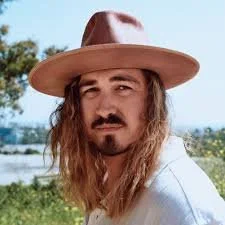
Jordan Feliz — Joy That Carries You Forward
The River (2015) — A baptism-by-motion anthem that treats faith as immersion, not observation. The song invites surrender through joy rather than pressure — jump in, don’t overthink it. Its enduring power comes from momentum: once you’re in the river, you don’t stand still.
Witness (2019) — A declaration of lived testimony framed as celebration, not debate. Jordan isn’t arguing faith — he’s showing it. The joy is evidence enough. Bright, confident, and contagious, this track turns gratitude into proclamation.
Beloved (2018) — A deeply affirming song about identity rooted in being seen and chosen. Rather than striving to be worthy, the listener is reminded they already are. The tenderness here is intentional — strength through belonging, not performance.
Never Too Far Gone (2020) — A redemptive anthem for anyone convinced they’ve crossed a line they can’t uncross. Jordan dismantles that lie gently but firmly, insisting grace has a longer reach than regret. Hopeful without being dismissive — mercy with muscle.
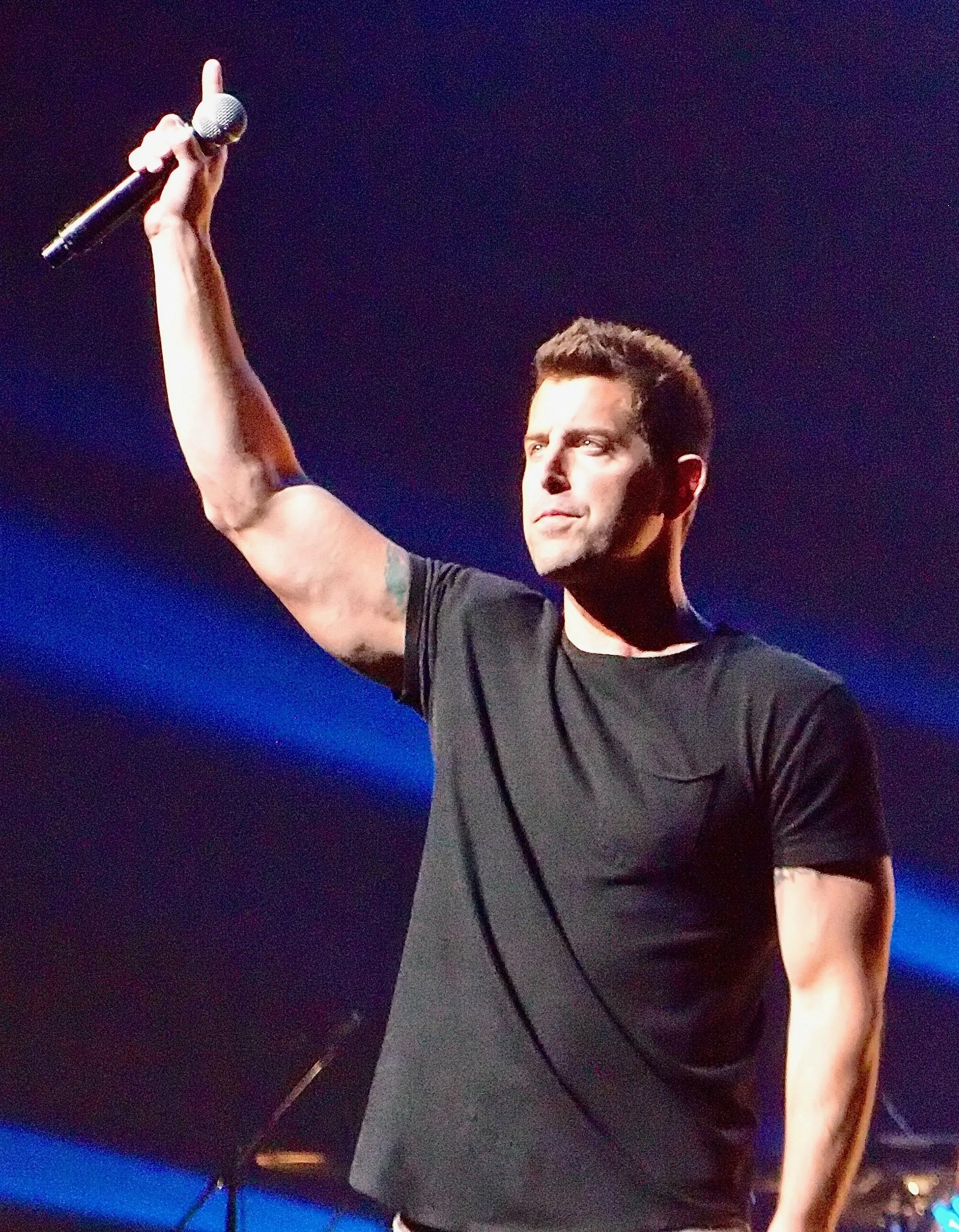
Jeremy Camp — Faith That’s Been Through the Fire
Give Me Jesus (2020) — A stripped-down declaration that cuts past ambition, comfort, and outcome. Jeremy reduces faith to its core desire: presence over answers. The restraint here is the power — nothing flashy, nothing forced. Just longing, surrendered.
Keep Me in the Moment (2018) — A countercultural prayer in an age of distraction and future-tripping. The song asks not for clarity or control, but attentiveness — the grace to stay where God is now. Gentle, reflective, and quietly grounding.
Dead Man Walking (2020) — A resurrection anthem that frames salvation as ongoing transformation, not a one-time event. The groove carries confidence, but the message stays humble — life restored daily, not perfected instantly. Celebration with realism baked in.
Out of My Hands (2010) — A cornerstone surrender song that acknowledges human limits without shame. Jeremy doesn’t dramatize the release of control — he admits it. Faith here is choosing trust when certainty isn’t available. Still one of his most enduring confessions.

Josh Wilson — Faith That Starts on the Inside
Revolutionary (2015) — A reframing of what real change actually looks like. Instead of protest slogans or outward rebellion, Josh points inward — revolution as humility, compassion, and lived love. The song challenges without shaming, inviting listeners to rethink power through service.
Self Less (2014) — One of the clearest modern songs about surrender without self-erasure. Josh doesn’t preach self-neglect; he highlights self-forgetfulness — the quiet shift where love becomes less about image and more about presence. Gentle conviction, deeply practical.
Remember (2018) — A reflective anthem built around spiritual amnesia — how easily fear replaces truth when we forget where we’ve been carried before. The song functions like a personal reset button, calling the listener back to gratitude and perspective. Calm, steady, reassuring.
Don’t Look Back (2016) — A forward-facing encouragement song about release and momentum. Josh frames the past not as something to deny, but something to leave behind. Hope here is directional — eyes up, feet moving, heart lighter.

The Young Escape — Faith That Refuses to Shrink
Never Fade (2020) — A declaration of identity built for a culture obsessed with approval cycles. The song pushes back against the fear of becoming invisible, grounding worth in something enduring. Energetic, defiant, and quietly affirming — confidence without arrogance.
No Shame (2021) (with Tenth Avenue North) — A collaborative anthem about standing fully seen and fully accepted. The presence of Tenth Avenue North adds emotional weight, reinforcing the message that grace doesn’t flinch at honesty. Shame is confronted not with volume, but with truth.
So Alive (2019) — A kinetic celebration of spiritual awakening. The song captures that moment when belief stops being inherited and starts being experienced. Upbeat without being hollow — joy that feels discovered, not manufactured.
Good Life (2022) — A reframing anthem that challenges surface-level definitions of success. The “good life” here isn’t curated perfection — it’s purpose, connection, and gratitude. Warm, communal, and forward-looking, this track feels like a gathering song.